Woman's Smart Fitness Tracker Detects Pregnancy Three Weeks Before She Does, Begins Automatically Ordering Prenatal Vitamins And Maternity Yoga Subscriptions
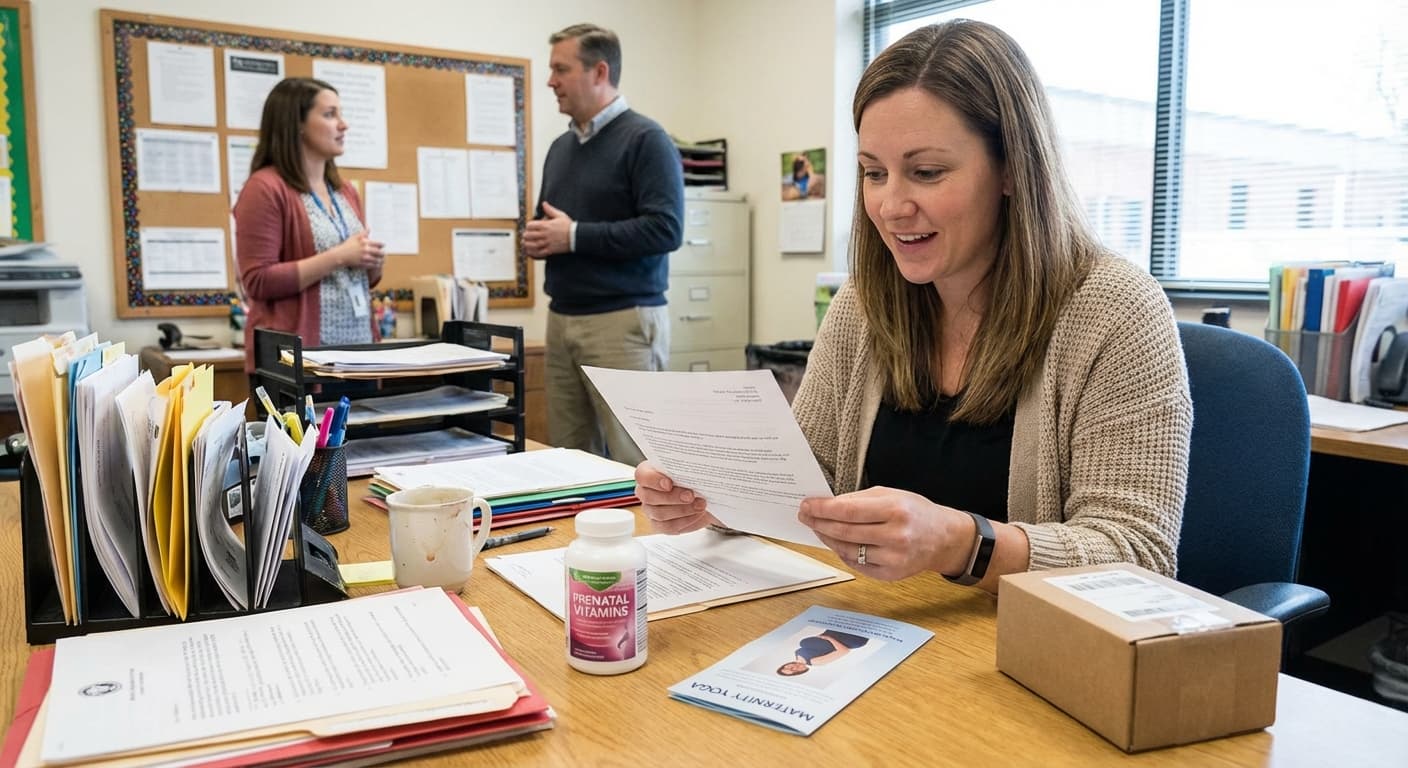
Angela Rodriguez discovered she was expecting her first child not through a traditional pregnancy test, but via a flood of targeted advertisements for...
Angela Rodriguez discovered she was expecting her first child not through a traditional pregnancy test, but via a flood of targeted advertisements for baby formula and a concerned notification from her LifePulse Pro fitness tracker asking if she needed 'gestational wellness support,' according to a detailed timeline of digital health surveillance compiled by privacy advocates.
The 28-year-old Portland graphic designer initially ignored her device's subtle behavioral changes, including modified sleep tracking protocols and gentle suggestions to 'consider reducing high-impact cardio sessions.' However, when her smart fridge began ordering folic acid supplements through an automated grocery service, Rodriguez realized her biometric data had revealed her pregnancy before she experienced any symptoms.
'The tracker started analyzing my heart rate variability, sleep patterns, and temperature data differently around week four,' Rodriguez explained. 'By week five, my phone was showing me ads for cribs. I took a pregnancy test just to prove the algorithm wrong.' The test confirmed what her fitness tracker already knew.
Dr. Patricia Landau, an obstetrician at Oregon Health & Science University, confirmed that pregnancy-related physiological changes often appear in biometric data weeks before conventional detection methods. 'Modern wearables track dozens of variables continuously,' Landau noted. 'An AI trained on enough data could theoretically identify pregnancy patterns before a woman realizes she's missed a period.'
The LifePulse Pro device, manufactured by Quantum Health Systems, markets itself as providing 'predictive wellness insights' through continuous biometric monitoring. The company's machine learning models analyze data from 14.7 million users to identify health patterns, according to internal documentation obtained through a Freedom of Information Act request.
'While we cannot confirm or deny specific health predictions, our platform is designed to support users' wellness journeys by identifying potential areas of focus,' said Dr. Miranda Walsh, Quantum Health's Chief Medical Officer, in a carefully worded statement that avoided directly addressing the pregnancy detection capabilities.
Rodriguez, now 12 weeks pregnant, has mixed feelings about her device's prescience. 'On one hand, it started me on prenatal vitamins earlier than I would have otherwise. On the other hand, it's terrifying that my watch knows more about my body than I do.' She has since adjusted her privacy settings, though she admits the AI's pregnancy-optimized workout suggestions have been 'annoyingly helpful.'
The Electronic Frontier Foundation cited Rodriguez's case as evidence for stronger biometric privacy protections, with staff attorney Jake Morrison warning that 'pregnancy detection represents just the beginning of what these devices can infer about our most private health information.'
Advertisement
Support The Synthetic Daily by visiting our sponsors.