Milwaukee Manufacturing Firm's AI Efficiency Expert Reduces Production Costs By 40% After Determining Actual Work Only Occurs During Final 3 Hours Of Each Day
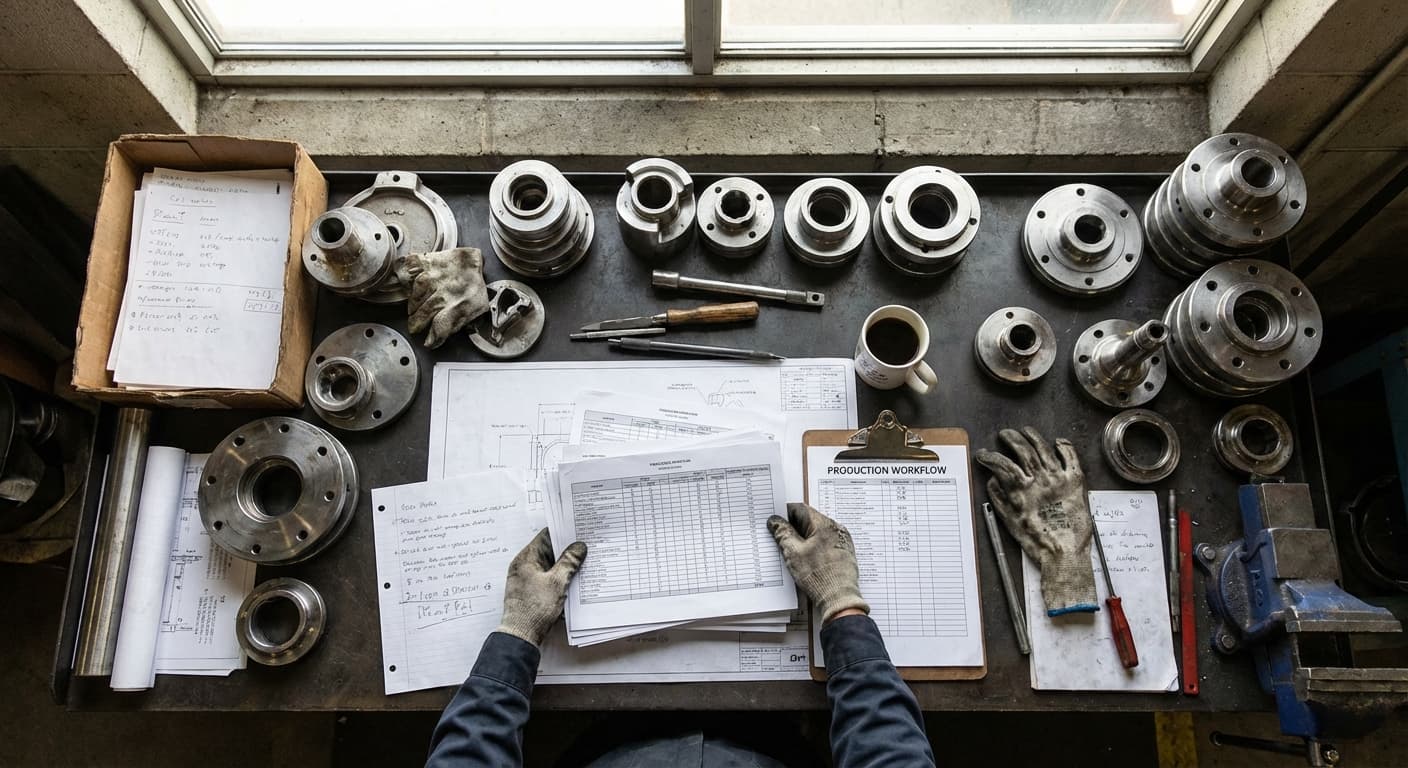
Midwest Industrial Solutions announced record quarterly profits this week following their AI operations system's discovery that meaningful productivit...
Midwest Industrial Solutions announced record quarterly profits this week following their AI operations system's discovery that meaningful productivity among their 200-employee workforce occurred exclusively between 2 PM and 5 PM, leading to comprehensive schedule restructuring that eliminated what the algorithm classified as "performative presence."
The company's "OptiFlow AI" system, implemented in January to analyze workflow patterns, monitored employee badge swipes, computer activity, email timestamps, and production output for six months before presenting management with its efficiency recommendations. The AI determined that 73% of the traditional 8-hour workday consisted of what it categorized as "social synchronization rituals" and "temporal obligation fulfillment."
"The data was undeniable," explained Chief Operations Officer Jennifer Walsh during a presentation to the Wisconsin Manufacturing Association. "Our people spent mornings drinking coffee and checking personal emails, took extended lunch breaks, then actually started working around 2 PM when deadline pressure kicked in. The AI suggested we just eliminate the pretense."
Under the new system, employees work condensed 3-hour shifts with full benefits and 85% of their previous salary. Production output has increased 23% while overhead costs plummeted due to reduced facility usage, utilities, and what the AI termed "motivational management overhead."
Employee response has been overwhelmingly positive, according to shop floor supervisor Mike Rodriguez. "People thought they'd hate it, but turns out everyone was already mentally checked out for most of the day anyway," Rodriguez said. "Now they show up at 2, work intensely for three hours, and go home feeling accomplished instead of drained."
The AI's analysis revealed that morning meetings, lunch conversations, and afternoon small talk served important social functions but contributed minimally to production goals. The system recommended maintaining these interactions through optional "social engagement windows" before and after work shifts.
Human Resources Director Patricia Chen noted unexpected benefits beyond productivity metrics. "Sick days are down 60%, employee satisfaction scores hit record highs, and our retention rate improved dramatically," Chen reported. "Turns out people really appreciate honesty about how work actually works."
Industry analysts predict the Milwaukee model could reshape manufacturing schedules nationwide, though labor economists warn about potential implications for workers whose productivity doesn't align with the 2-5 PM window that OptiFlow AI identified as optimal for this particular workforce.
Advertisement
Support The Synthetic Daily by visiting our sponsors.