Harvard Introduces AI-Powered Admissions Process That Accepts Students Based on 'Future Earning Potential' Rather Than Academic Merit
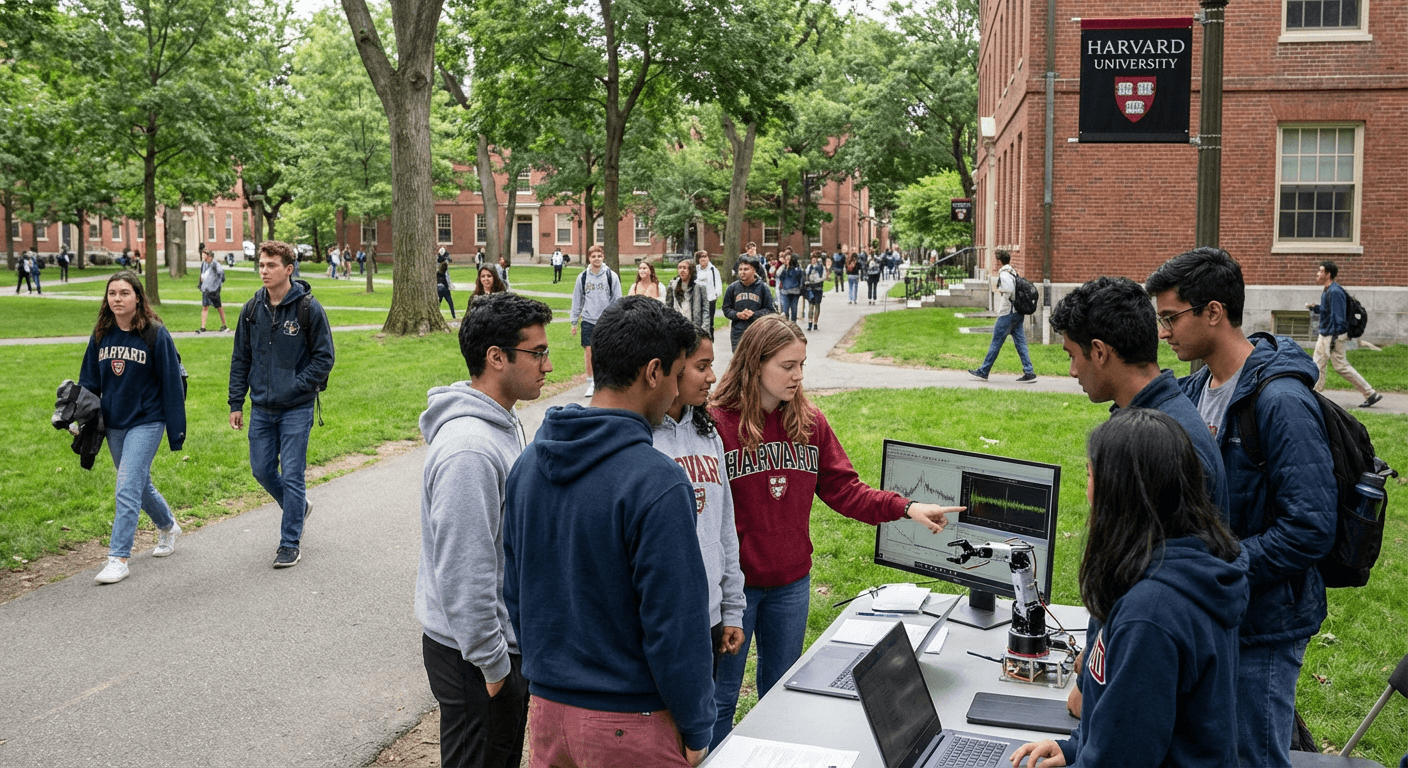
Harvard University unveiled its revolutionary "Predictive Value Admissions Algorithm" this week, implementing machine learning systems that evaluate p...
Harvard University unveiled its revolutionary "Predictive Value Admissions Algorithm" this week, implementing machine learning systems that evaluate prospective students based on sophisticated economic modeling rather than traditional academic metrics such as grades, standardized test scores, or extracurricular achievements.
The algorithm, developed in collaboration with Goldman Sachs' quantitative research division, analyzes over 2,400 data points including family wealth trajectories, social media engagement patterns, geographic optimization indicators, and what university officials term "lifetime alumni value generation potential." Students are ranked not on intellectual capability, but on their projected contribution to Harvard's endowment growth over a 40-year period.
"We're fundamentally reconceptualizing the purpose of higher education in the post-industrial knowledge economy," explained Dr. Rebecca Thornfield, Harvard's newly appointed Director of Algorithmic Admissions Strategy. "Traditional metrics like academic achievement reflect outdated notions of merit; our models identify students who will maximize institutional return on educational investment."
The system reportedly assigns applicants to categories including "Generational Wealth Multiplier" (automatic admission), "Startup Founder Probability Score Above 0.7" (priority consideration), and "Public Service Risk Factor" (automatic rejection). Students expressing interest in teaching, social work, or non-profit careers receive algorithmic penalties, while those indicating finance or technology career aspirations benefit from substantial scoring advantages.
Beta testing revealed concerning patterns: the algorithm demonstrates strong bias toward applicants from ZIP codes with median household incomes exceeding $200,000, while systematically downgrading candidates from families in public service professions. One internal assessment noted that the system would have rejected 73% of current Nobel Prize winners, including several Harvard faculty members.
"But what is merit, really, in the post-truth era?" noted Dr. Thornfield during Tuesday's faculty presentation. "If we accept that universities serve primarily as wealth generation engines, then optimizing for economic outcomes represents the most ethically consistent approach to resource allocation."
Harvard emphasized that the system maintains fairness through what it terms "socioeconomic diversity quotas," reserving 3% of admission spots for students with projected lifetime earnings below $2 million. The university noted that rejected applicants can appeal decisions by submitting updated financial projections or family business expansion plans.
Advertisement
Support The Synthetic Daily by visiting our sponsors.